










Trending
The moments that move us: How journalism shapes where Australians travel next
Published Mumbrella
At Mumbrella’s Travel Marketing Summit, ThinkNewsBrands CEO Vanessa Lyons highlighted that the industry needs to shift toward understanding the real reasons people choose to travel in the first place.
Every travel marketer is chasing the same thing: inspiration.
The industry spends billions trying to understand what sparks the moment someone decides they want to visit Japan, book a Kimberley cruise or finally take the European holiday they’ve been talking about for years.
Speaking at the Mumbrella Travel Summit, ThinkNewsBrands CEO Vanessa Lyons argued the industry may be focusing too much on where people book and not enough on what makes them want to travel in the first place.
“Travel marketers are very good at finding people who already want to travel,” Lyons said. “The bigger opportunity is understanding what creates the desire to travel in the first place.”
In an increasingly fragmented media environment, Lyons suggested marketers have become highly focused on capturing demand at the point of booking.
However, before someone compares airfares or visits a travel website, something has already happened. The destination has already been chosen.
They may have read a news story, listened to a travel segment, watched a report about a destination they hadn’t previously considered or been inspired by a cultural moment, sporting event or restaurant review.
As Lyons put it: “Media platforms can capture demand. Moments create it.”
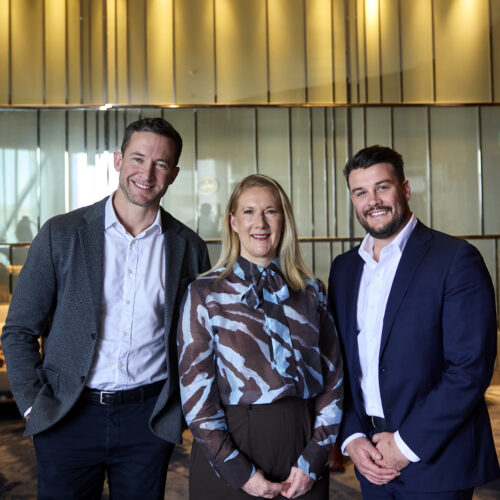
That idea was echoed by Seven West Media chief sales officer Brent Stewart, who joined Lyons on stage to discuss how those moments translate into travel decisions.
“The reality is that travel decisions rarely begin with a search bar,” Stewart said.
“By the time someone starts comparing airfares, the destination is often already on the shortlist. It’s quality journalism, whether that’s reporting in The Nightly or destination storytelling through ROAM by The Nightly, that often sparks the interest and inspiration long before the search begins.”
Inspiration needs confidence
Influencer recommendations and algorithmic feeds play a role in how people discover travel. But influence and credibility are not the same thing.
Travel is one of the highest-consideration purchases consumers make, involving significant financial commitment, annual leave and months of planning.
According to Stewart, that is where trusted journalism plays a different role.
“Anyone can inspire a destination idea. Trusted journalism helps people decide whether they should actually go,” he said.
Lyons pointed to research showing Australians place significantly more trust in news publishers than content creators and increasingly use news media to verify information they encounter elsewhere.
“Desire may start anywhere,” Lyons said. “But confidence comes from credible sources.”
Travel doesn’t sit outside the news cycle
For Stewart, one of the biggest misconceptions in travel marketing is treating travel content and news content as separate worlds.
“The best travel journalism doesn’t simply tell audiences where to go. It helps them understand why a place matters,” he said.
Political developments, currency movements, weather events, cultural moments and emerging travel trends all influence how consumers think about destinations.
“A geopolitical shift can redirect travel demand. Currency movements can influence destination preference. Weather events can alter travel plans,” Stewart said. “Travel does not sit outside the news cycle. It lives within it.”
Lyons made a similar point, arguing that news is often present at both ends of the travel journey: creating desire through stories about culture, food, events and destinations, while also helping consumers assess risk, relevance and confidence before making a booking.
The opportunity marketers may be missing
To bring the issue to life, Lyons turned the session into a live experiment.
Audience members were asked to hold up a green card if they believed a piece of content was suitable for their brand, and a red card if they didn’t. As destination features, travel inspiration stories and travel journalism from The Nightly and ROAM by The Nightly appeared on screen.
The exercise highlighted what Lyons sees as a growing disconnect between human judgement and automated decision-making.
“The stories creating travel demand and inspiration moments are often the same stories automated brand safety tools are filtering out. They block news articles based on a list of keywords, not context,” Lyons said.
For Stewart, that represents a missed commercial opportunity.
“Some of the most valuable travel moments happen long before the booking. If brands aren’t present when travellers are being inspired, they’re arriving late to the conversation,” he said.
While marketers in the room could immediately recognise content that was relevant to travellers, the same assessment is not always made by the technology controlling advertising placements. As a result, brands inadvertently exclude themselves from the very environments helping shape travel aspirations.
Don’t just find travellers — create them
The session concluded with a challenge to marketers.
Are they simply capturing existing demand? Or are they showing up where travel demand is created?
“Be there when someone books the trip. Absolutely,” Lyons said.
“But also be there when a story, a cultural moment or a piece of journalism makes someone who wasn’t thinking about travelling suddenly say, ‘I want to go there.’”
For Stewart, the lesson is ultimately about recognising the commercial value of trusted storytelling.
“Travel marketing is not just about reaching people when they are ready to book,” he said. “It is about showing up during the moments that shape their aspirations, influence their choices and build their confidence.”
Because before the booking comes the story. And the brands that understand that have an opportunity to influence not just where people travel, but whether they travel there at all.