










Trending
Brand safety blind spot costs advertisers access to 23 million Australians
Published Mi3
ThinkNewsBrands has unveiled new Australian research that finds outdated brand safety practices prevent brands from reaching 23 million consumers each year.
Titled ‘Beyond Brand Safety. The Trust Advantage: Why context and credibility matter for brands’, the research highlights that keyword blocking, a method intended to shield brands from harmful content, is inadvertently excluding suitable news content. One in two news articles are being blocked by outdated tools. The potential lost reach from these practices is estimated at $180 million in advertising spend annually.
The research analysed 1,200 news articles from Australian publishers between July 2025 and June 2026 and found that 57% contained terms that triggered exclusion rules.
Business and finance articles were most affected, with terms such as ‘bank’, ‘crash’, and ‘dispute’ frequently flagged. Sports stories also faced significant blocking, with ‘Victoria’ being a common trigger word. The word ‘Paris’ remained on exclusion lists long after the 2015 terror attacks, impacting advertising around the 2024 Paris Olympics.
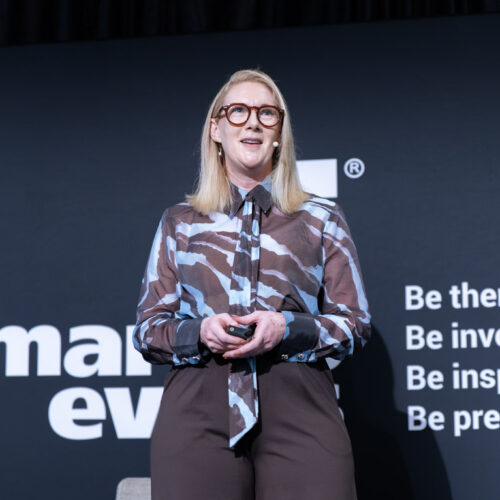
“The evidence exposes outdated keyword block lists as a wolf in sheep’s clothing,” said Vanessa Lyons, ThinkNewsBrands CEO. “These lists are supposed to protect brands from appearing near harmful content online, but when they’re applied bluntly to trusted journalism, they do the exact opposite. They are excluding brands from engaged audiences in trusted news environments.
“This is a classic case of a list that was set up 10 years ago and left to just continue automatically blocking ads. To miss such a pivotal moment like the Olympics is a massive miss for brands. Brand safety tools should do what they say on the tin: protect brands. They shouldn’t quietly kneecap their campaigns.”
The report suggests that brand safety tools should be consistently scrutinised across all digital media, not just social platforms.
Only one in three marketers are confident in the placement decisions made by brand safety systems within news environments. The report recommends marketers audit their keyword, category, and domain exclusions and consider using contextual capability or direct publisher solutions.
News is a high-trust, high-attention environment, with 66% of readers focused while consuming news content. Eighty-five per cent of news consumers report greater confidence in a brand when they encounter it in a news environment.
“For brands, this raises governance questions across the entirety of their media mix – what protections are operating? Who makes those decisions? What can I see? What control do I have?” Lyons added. “Responsible media investment starts with knowing what you are buying. That means applying consistent standards of transparency, control and accountability.
“Trusted journalism matters more than ever – that’s the theme of this year’s World News Day – and we know the credibility of news publishing extends directly to the brands that appear alongside it.
That trust advantage is something brands should value, not inadvertently block themselves from, continued Lyons. “This report is first and foremost about encouraging the sector to fix a practical advertising problem: giving marketers visibility, replacing blunt exclusion with contextual suitability, and protecting access to trusted audiences,” she said.
“But it also raises a bigger question about where advertising dollars flow and the information environments they help sustain. At best, outdated blocklists are unnecessarily limiting your campaign’s reach and effectiveness. At worst, advertisers are paying for systems that redirect investment away from trusted Australian journalism.
“Advertisers should be asking two very simple questions: What is being blocked without me knowing, and what is it costing my brand?”